
Cette cuisine sur mesure a été réalisée pour offrir un espace élégant, pratique et durable. Les meubles en bois massif apportent une touche chaleureuse, tandis que le plan de travail en granit garantit une excellente résistance à la chaleur, aux rayures et à l’humidité.
Chaque élément a été conçu selon les dimensions exactes de la pièce afin d’optimiser l’espace de rangement et de faciliter les déplacements. Les finitions soignées, les poignées en acier inoxydable et l’éclairage intégré créent une cuisine moderne, confortable et facile à entretenir.
Chez Ben Yaiche Bois, nous fabriquons des cuisines entièrement personnalisées en utilisant des matériaux de haute qualité et un savoir-faire artisanal reconnu.
Les points forts
✔ Installation complète
✔ Fabrication 100 % sur mesure
✔ Bois massif de haute qualité
✔ Plan de travail en granit naturel
✔ Éclairage LED intégré
✔ Nombreux espaces de rangement
✔ Finitions professionnelles
✔ Installation complète
Informations du projet
| Élément | Détails |
|---|---|
| Type | Cuisine sur mesure |
| Style | Classique moderne |
| Matériaux | Bois massif & granit |
| Finition | Vernis satiné |
| Couleur | Brun foncé |
| Fabrication | Ben Yaiche Bois |
| Installation | À domicile |
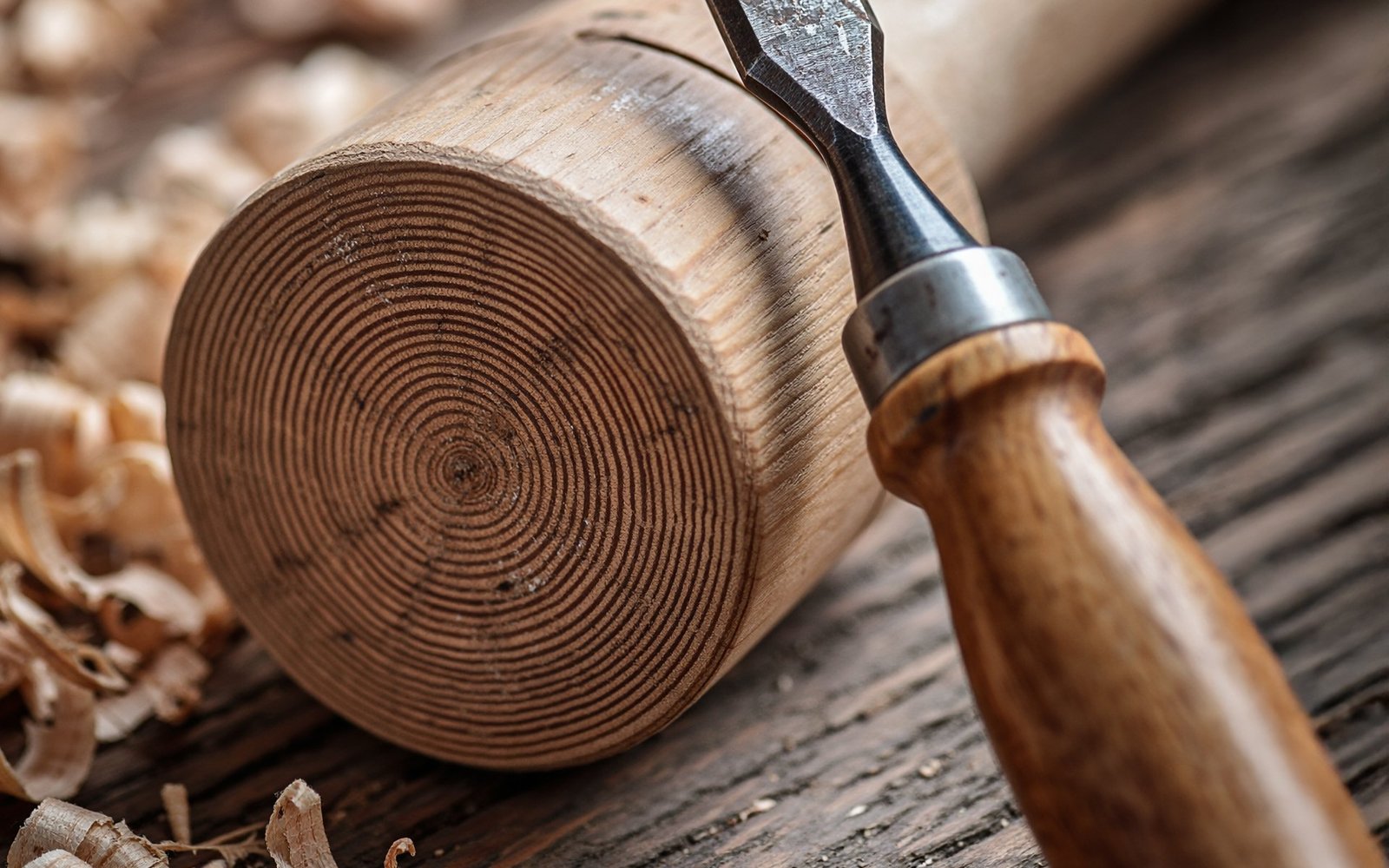
Woodworking balances utility and aesthetics. A well-built piece must feel solid, perform its purpose and withstand time. But carpentry also leaves space for individuality. The natural grain becomes part of the design, the subtle imperfections of handwork add authenticity, and thoughtful proportions create harmony. Whether constructing a timber frame, building cabinetry or crafting a simple table, the goal is always the same: to create something that feels both useful and meaningful.
In a world filled with mass-produced furniture and disposable materials, traditional woodwork stands out as something genuine. A piece built by a skilled carpenter carries a sense of permanence. It reflects the maker’s experience, discipline and desire to create something that will last for years, possibly decades. This connection between the craftsman, the material and the final piece is what keeps woodworking relevant and respected today.
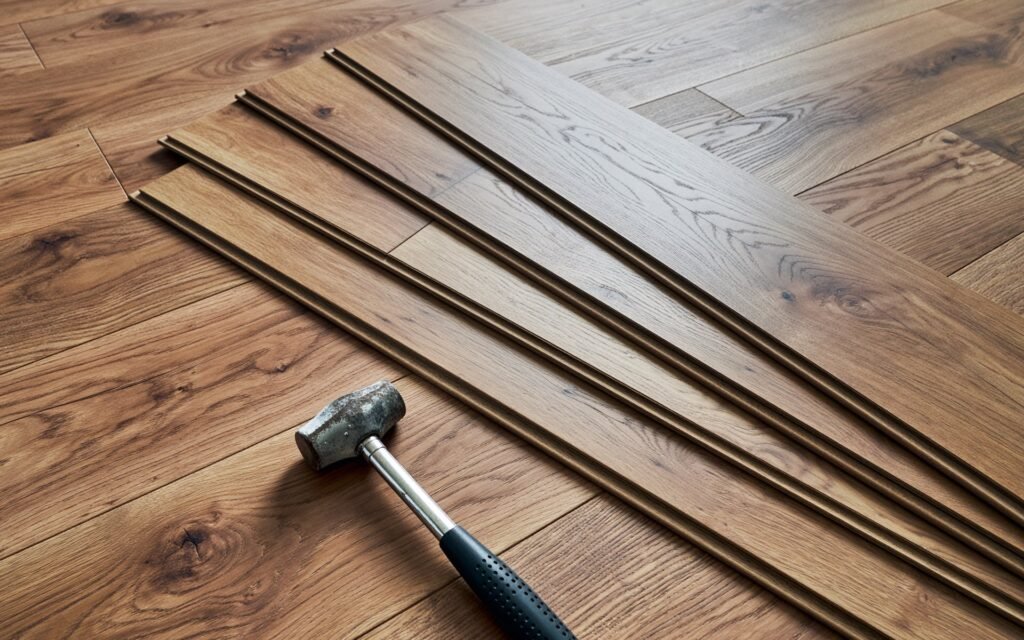
Woodworking is a craft defined by precision, patience and an understanding of how natural materials behave. A carpenter works not only with tools but with the inherent character of wood, recognizing the subtle differences in grain, hardness and texture that influence every cut and joint. What begins as a raw, uneven board gradually transforms into something purposeful, shaped by skilled hands and careful decisions.
- Tradition with innovation
- Outstanding service
- Clear communication
Carpentry connects tradition with innovation. Many of the essential principles remain unchanged from the techniques used centuries ago, yet modern tools and materials expand what is possible. This blend allows the craft to evolve without losing its authenticity. Hand-shaping a detail, adjusting a joint by feel or selecting wood based on instinct still play an important role, even in workshops filled with advanced machinery.
The relationship between carpenter and material is at the heart of the craft. Wood needs time to acclimate, time to settle, and time to be shaped. Rushing the process often leads to imperfections, while thoughtful pacing brings out stability and beauty. A well-made piece reflects this rhythm. Its structure feels balanced, its surfaces feel natural, and the grain flows in a way that enhances the design rather than distracts from it.
Understanding the Material
A finished piece of woodwork holds more than its functional purpose. It carries the time invested into it, the decisions made during shaping and the personality of the wood itself. Whether it becomes a piece of furniture, a structural element or a decorative feature, it stands as something crafted rather than manufactured. This is what gives woodworking its lasting appeal: the sense that every creation is unique, grounded in natural material and guided by human hands.
This return to the tactile is not nostalgic – it is a response. As technology accelerates and digital spaces replace human ones, people crave experiences that feel real. Sitting in a barber’s chair, surrounded by the sound of clippers and quiet conversation, is a small rebellion against the speed of modern life.
Every barbershop carries its own rhythm. There’s laughter, debate, the exchange of local news. It’s one of the few remaining places where strangers still talk to one another. For many, the barbershop is a kind of therapy – one without the couch or the clock. It is a place where vulnerability can exist in the midst of ordinary routine, where appearance and emotion intersect.
Functional Design with Character
Craftsmanship often begins long before the first tool touches the material. It starts with an idea, with the quiet moment when a creator imagines something that does not yet exist. The workshop becomes a place where thought slowly takes form, where raw materials wait to be guided into shape. There is a certain calmness in this process, a rhythm that feels almost timeless.
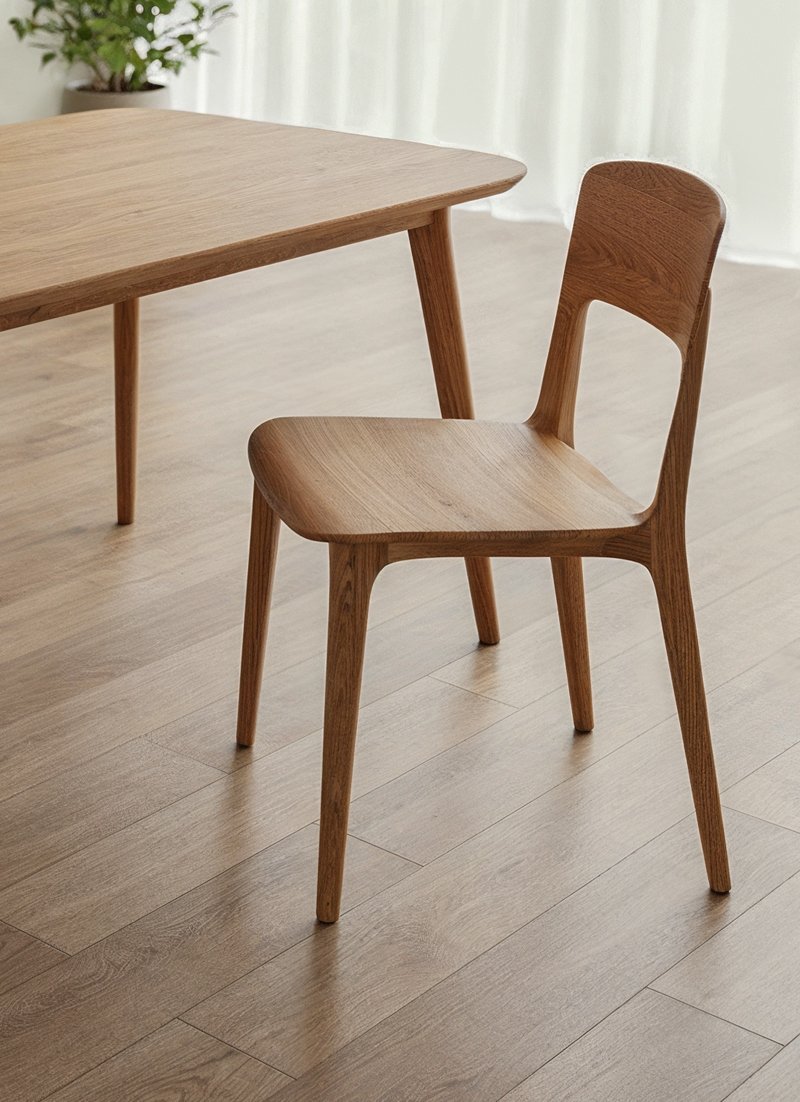
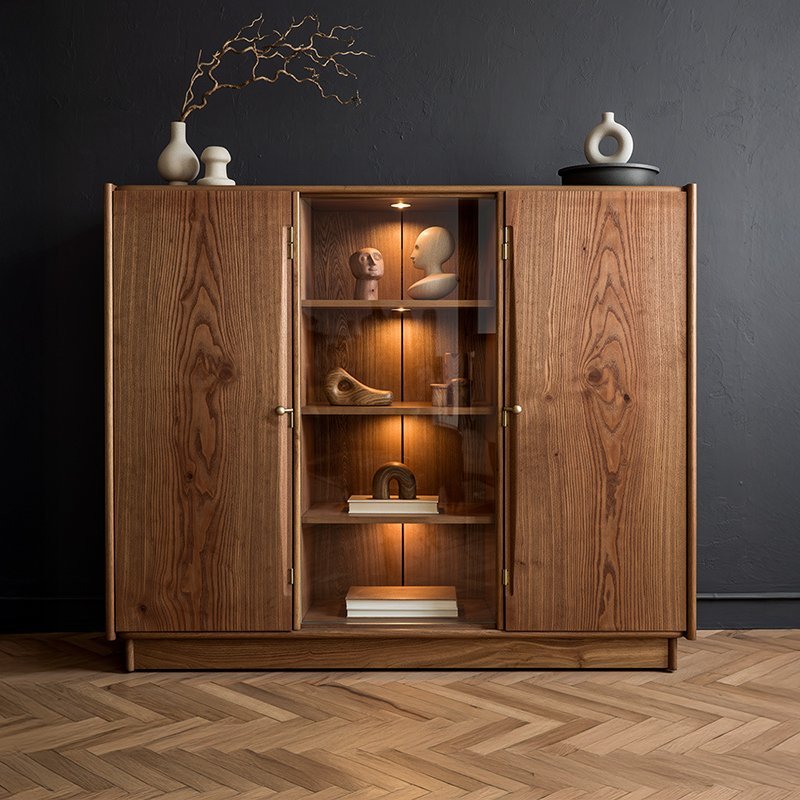
The work that follows is never rushed. Every measurement, adjustment and correction is part of a larger conversation between the maker and the object taking shape. Some days the material cooperates, other days it resists, and the craftsperson must find the balance between control and understanding. This dialogue creates work that feels alive, grounded in real skill rather than quick production.
Tools become extensions of the hands that hold them. A simple movement, repeated countless times, can define an entire project. The marks they leave behind tell a story—not of machines, but of human presence. Imperfections become character, the small traces of the maker’s decisions layered into the final form. It is this authenticity that gives handcrafted work a warmth that cannot be imitated.
As the project nears its final stage, the details matter more than ever. Edges soften, surfaces become smooth and proportions settle into harmony. What once looked like a rough idea now feels complete, shaped by patience and experience. There is a quiet satisfaction in this moment, the sense that something meaningful has been created from almost nothing.
When the finished piece finally leaves the workshop, it carries with it more than its appearance or purpose. It holds the hours of concentration, the problem-solving, the adjustments and the touch of the person who made it. This is why handmade work resonates so strongly: it feels honest, intentional and connected to the real effort behind it.